Safety in plant and workzone confined spaces focuses on preventing fatalities caused by atmospheric hazards (lack of oxygen, toxic gases) and physical entrapment.
1. Core Safety Procedures
- Avoidance First: Always evaluate if the work can be done from the outside using remote tools before authorizing entry.
- Permit-to-Work System: "Permit-required" spaces must have a written entry permit signed by a supervisor. This permit identifies hazards and lists the necessary safety precautions.
- Atmospheric Testing: Before entry, use a calibrated gas detector to check for oxygen deficiency (<19.5%) or enrichment (>23.5%), flammable gases, and toxic vapors like hydrogen sulfide or carbon monoxide.
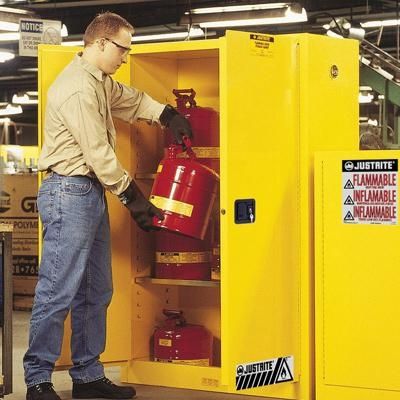
- Isolation (Lockout/Tagout): Physically disconnect or lock out all energy sources (electrical, mechanical) and seal off pipes carrying hazardous substances.
- Ventilation: Use mechanical blowers to provide a continuous supply of fresh air and flush out contaminants.
2. Workzone Management
- Outside Attendant: A trained "manhole guard" or attendant must remain outside the space at all times to monitor entrants and initiate emergency alarms.
- Signage & Barriers: Post clear "Danger: Confined Space" warning signs at entrances and use physical barriers to prevent unauthorized entry.
- Communication: Maintain a constant communication link (radio, hand signals, or vocal) between the entrant and the attendant.
3. Required Safety Equipment
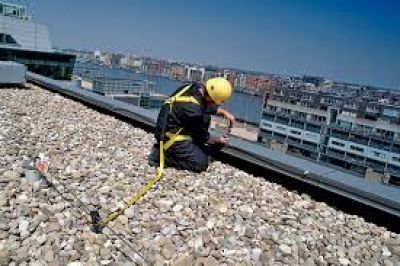
- PPE: Standard gear includes safety helmets, high-visibility vests (for workzone visibility), and specialized equipment like respiratory protection (SCBA) or flame-resistant clothing.
- Rescue Gear: If a worker must be pulled out, they should wear a safety harness connected to a tripod or winch system.
- Lighting: Use explosion-proof or emergency lighting to ensure visibility in dark, cramped areas.
4. Emergency Rescue Planning
Never attempt a rescue without proper training and equipment; many fatalities occur when untrained coworkers try to help and succumb to the same hazard. A site-specific rescue plan must be in place and signed before any work begins.
For official standards, refer to the OSHA Confined Spaces Standard (29 CFR 1910.146) or the HSE Confined Spaces Regulations.